
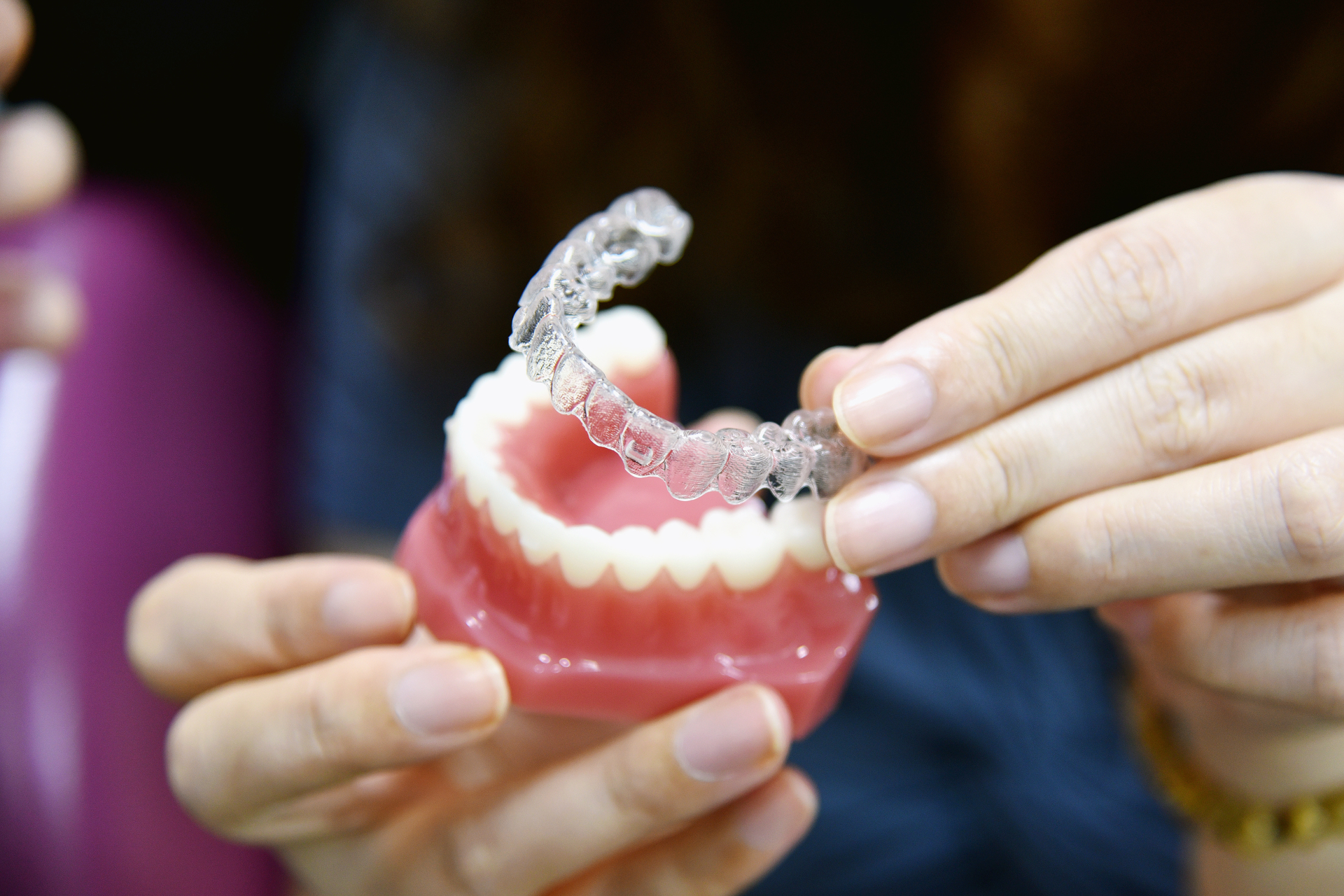
Invisalign at 40: Is It Too Late to Straighten My Teeth?
I hear some version of this question every week: "I'm 42. Is it too late for braces?"
The short answer is no. I've straightened teeth for patients in their 50s, 60s, and beyond. Age isn't a barrier to orthodontic treatment.
But that's not really what patients are asking. What they want to know is whether it's worth it at this stage of life—whether it will actually work, whether there's some catch that makes adult treatment different.
There are differences. Let me explain what they are.
Why Adults Seek Orthodontic Treatment
Most adults fall into a few categories: those who had braces but didn't wear retainers and have seen shifting over the decades; those who never had braces and are now ready to invest; and those with functional concerns—crowded teeth that are harder to clean, bite issues causing jaw pain, or uneven wear.
How Adult Treatment Differs
- Bone density: Adult bone is denser, so teeth sometimes move slightly slower. We adjust our approach accordingly.
- Previous dental work: Crowns, bridges, or missing teeth factor into treatment planning.
- Gum health: Adults are more likely to have some degree of gum disease. We address that first.
- Root resorption history: Prior orthodontics may have shortened roots slightly. Checked via X-ray.
None of these factors disqualify you. They're variables I account for when designing your treatment.
What Invisalign Can and Cannot Fix
Invisalign works well for:
- Mild to moderate crowding
- Spacing and gaps
- Most bite issues (overbite, underbite, crossbite)
- Rotated teeth
- Relapse from previous orthodontic treatment
Invisalign may not be ideal for:
- Severe crowding requiring extractions
- Significant skeletal discrepancies
- Teeth that need to be moved vertically
- Some complex bite corrections
I use our iTero scanner to capture a 3D model of your teeth and show you a simulation of how your teeth will move. If Invisalign isn't the right tool for your case, I'll tell you directly.
The Adult Compliance Advantage
Invisalign requires wearing aligners 20 to 22 hours per day. Teenagers often struggle with this—they forget them at lunch, leave them in napkins, wonder why treatment is running long. Adults understand the investment they're making. They follow the protocol. In my experience, adult patients complete treatment faster than projected timelines more often than teenagers do.
What Treatment Actually Looks Like
You'll wear each set of aligners for one to two weeks. The aligners are clear plastic—noticeable if someone looks for them, but not obvious in normal conversation. Check-ins every six to eight weeks are brief—usually 15 to 20 minutes.
Total treatment time varies. Simple cases might wrap up in six months. More complex movement can take 18 months or longer. The average for adult patients in my practice is about 12 months.
The Question of Visibility
Your aligners are clear, but they're not invisible. Someone sitting across from you will probably see them. But here's what actually happens: most people don't care. You mention you're doing Invisalign, they say "oh, cool," and the conversation moves on. The anxiety about being seen with aligners is almost always worse than the reality.
After Treatment: The Retention Phase
Teeth want to move back toward their original positions. After completing Invisalign, you'll wear a retainer—full-time at first, then nighttime-only. Most of my adult patients opt for bonded retainers (thin wires on the back of front teeth) combined with a removable retainer for nighttime.
I'm direct with patients: if you're not willing to wear a retainer long-term, orthodontic treatment may not be worth the investment.
Cost and Insurance Realities
Many dental insurance plans cover orthodontics for adults at the same rate as for children—typically 50% up to a lifetime maximum, often $1,500 to $2,000. We offer payment plans to spread the investment over the course of treatment. During your consultation, we'll verify your insurance benefits and give you exact numbers before you commit to anything.
The Consultation Process
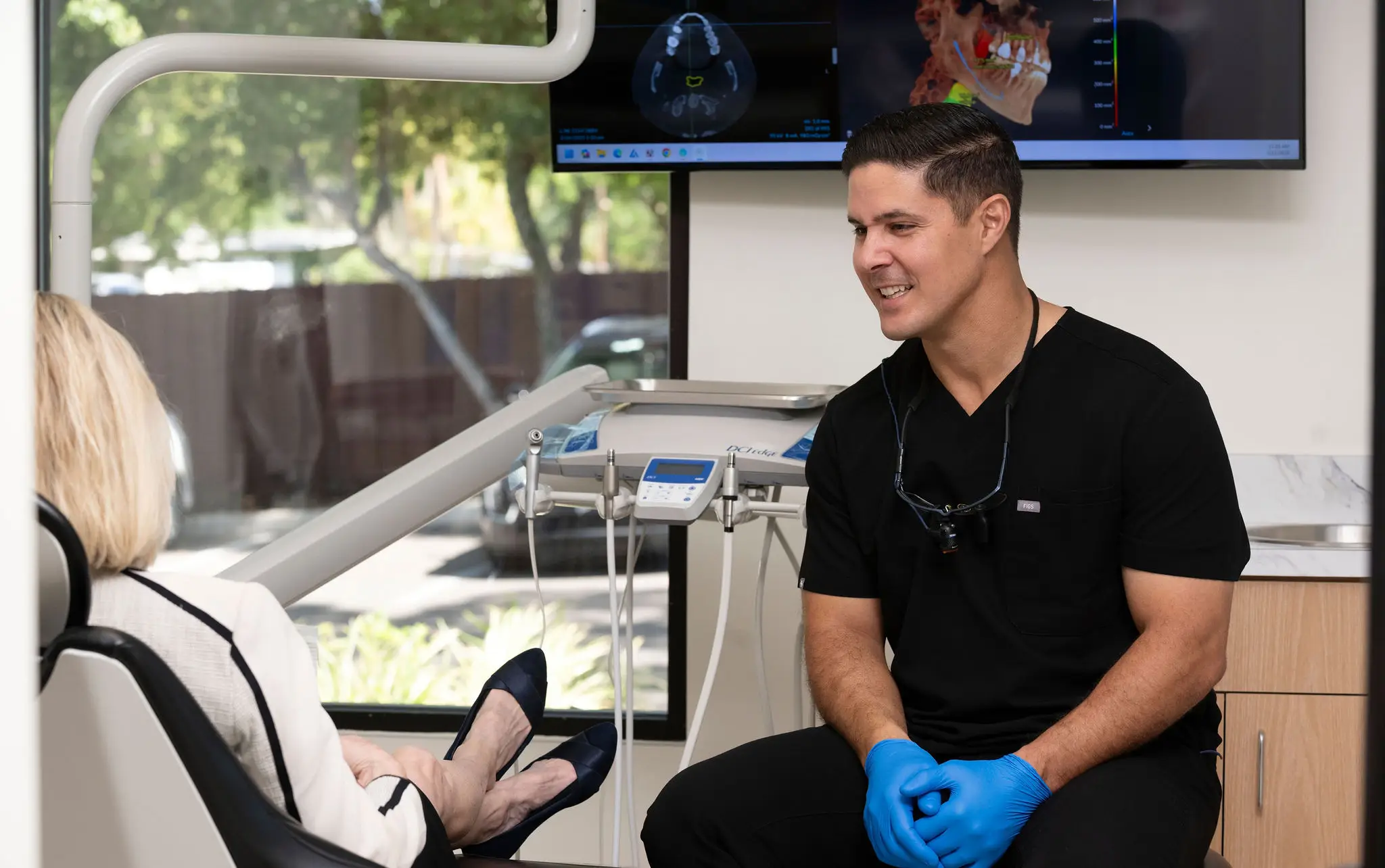
I'll examine your teeth, gums, and bite. We'll take X-rays to check root health and bone levels. Using the iTero scanner, we'll create a 3D model of your teeth—no goopy impressions needed. You'll see your teeth move on screen, step by step, to the projected final result.
The consultation is free. Take the information home and think about it. No pressure to decide on the spot.
Ready to Find Out What's Possible?
flexbook.me/pdwp · (407) 660-8606 · $99 new patient special includes iTero scanning
Dr. Alejandro Gonzalez provides Invisalign treatment at Premier Dental of Winter Park. He offers a $99 new patient special for initial consultations including iTero scanning.
Related Posts
Best Dental Implants in Winter Park, FL: Top-Rated Implant Dentists Near Winter Park & Maitland (2025 Guide)
Smile Makeover & Porcelain Veneers in Winter Park, FL: The Complete Guide for Winter Park & Maitland Patients
Full Mouth Reconstruction in Winter Park, FL: A Complete Guide to Restoring Your Smile (Serving Maitland & Orlando)
Ready to Experience Dental Care Done Differently?
Your smile deserves exceptional care, cutting-edge technology, and a team that truly cares. Book your visit today!